
How to Play Video Games for Maximum Benefits: The Art of Proper Dosage and Moderation
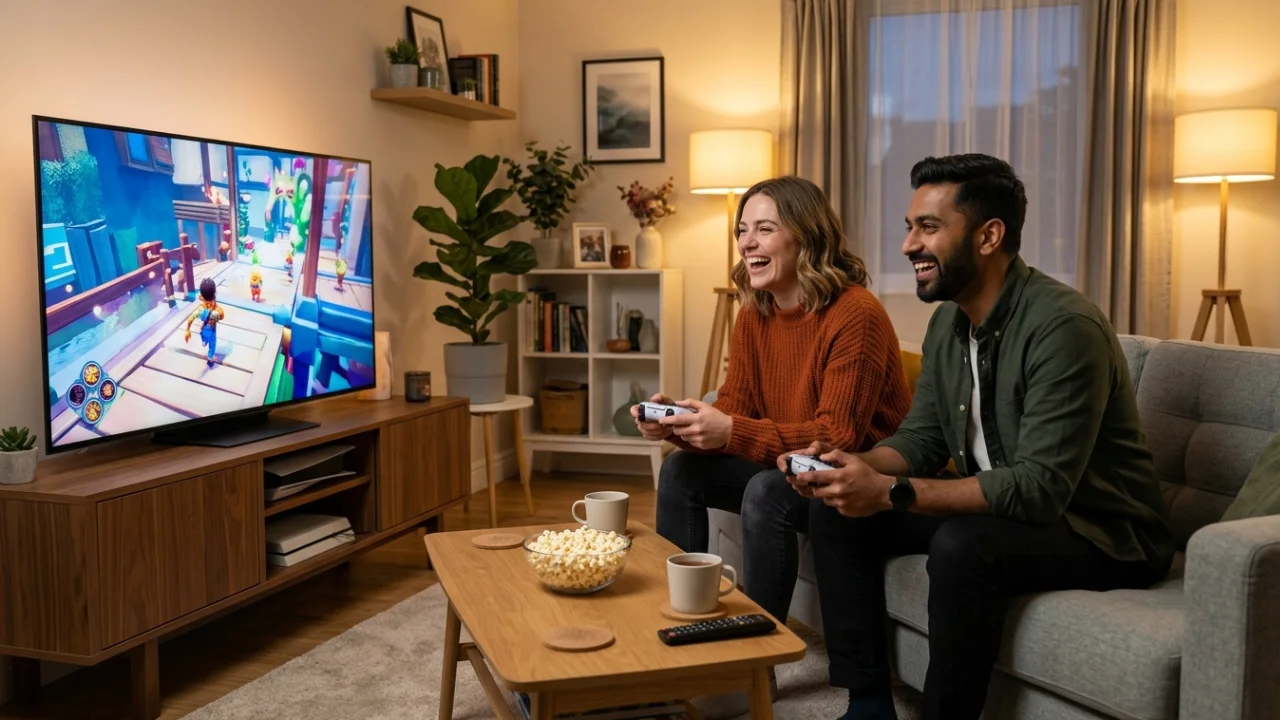
Do you believe video games offer real-life benefits for your brain and mental health? While many see gaming as pure entertainment, playing strategically can significantly improve your cognitive functions and reduce stress.
However, the path to these benefits isn’t accidental. Blindly playing games can lead to dangerous addiction and depression. The secret is not just if you play, but how you play. This guide breaks down the crucial concepts of video game moderation and dosage you need to master to ensure your gaming experience is positive and sustainable.
Why Gaming Benefits Your Mind and Body
Playing video games is more than just entertainment; it’s a tool for mental and cognitive growth. When done correctly, gaming can provide tangible advantages that impact your daily life.
Cognitive Functions and Problem Solving
Video games actively engage your brain, improving complex skills needed in real life. These games train your mind to process information quickly and make decisions under pressure. This active engagement directly translates into improved problem-solving skills and enhanced focus.
Stress Relief and Mental Well-being
For many, gaming serves as an effective method for stress relief. The immersive nature of a good game provides a focused distraction, helping to lower cortisol levels and provide a much-needed mental break from daily pressures.
The Golden Rule: Dosage and Moderation
There is a famous wisdom that applies here: everything in moderation. The core principle for achieving positive results in gaming is understanding your dosage—the right amount of time and intensity you dedicate to it.
The Danger of Unmanaged Gaming
Just because you play a game doesn’t guarantee positive outcomes. Without proper control, excessive play can quickly spiral into negative effects, including burnout and clinical depression. Maintaining a proper balance is essential to harness the positive mental health benefits.
Finding Your Right Dosage
To stay on the positive side, you must follow two essential parameters: choosing the right game type and controlling the time you spend playing.
Choosing the Right Game: Four Types to Know
Understanding what you play is the first step toward setting the perfect dosage. Different game types cater to different psychological needs.
1. AAA Title Games: Experience vs. Escapism
These games boast extremely high graphics and provide maximum escapism. Buying a AAA title is purchasing a full, cinematic experience that is highly focused on the gameplay. While the experience is rewarding, you must still set boundaries based on your personal tolerance.
2. Casual Games: Fun and Problem-Solving Skills
Casual games (like Candy Crush or Temple Run) are designed for relaxation. Some of these titles, however, can be surprisingly effective at promoting problem-solving skills. The key difference here lies in the game mechanics—some are engaging, while others are highly addictive.
3. Indie Games: Safe Play Without Corporate Pressure
Indie games are developed by individual creators. This is a significant factor because independent developers often lack the corporate incentive to design games with the specific goal of being intentionally addictive. They are generally considered safer bets for maintaining a balanced gaming habit.
4. Battle Royals & Freemium Models: Dopamine Design
Games like PUBG or Fortnite and the freemium models are carefully engineered to provide a massive dopamine boost. They are designed with psychology in mind to encourage excessive engagement. While fun, these require strict video game moderation to prevent addictive behaviors.
Mastering Your Moderation: When and How Long to Play
Knowing the game type is only half the battle. The second, equally critical parameter is moderation—controlling the amount and context of your play.
The Importance of Leisure vs. Pleasure Time
You must draw a line between leisure time and pleasure time. Just as we manage our social drinking habits, we must manage our gaming. Play games during your leisure time, not during your pleasure time. This means gaming should be a tool for relaxation, not an escape mechanism.
Avoiding the Trap of Escapism
The most significant danger is using video games as a tool to escape from the realities of your life. Most of the time, you have responsibilities. Use your free time to relax, but never allow gaming to become a shield against your daily life.
Conclusion
Video games have the potential to be powerful tools for mental health and cognitive improvement. The key to maximizing these benefits is intentional, disciplined play. By consciously focusing on the right game type and strictly adhering to proper dosage and moderation, you can enjoy the fun of gaming while prioritizing your real-life well-being. Play smart, stay balanced, and let your gaming support your growth.
Frequently Asked Questions (FAQ)
1. How much time should I spend gaming per day for positive mental health benefits? There is no universal answer, as moderation depends on the game and your schedule. Aim for intentional, limited play during your dedicated leisure time, prioritizing sleep and real-world activities above gaming.
2. Are AAA games inherently better for cognitive function than casual games? Both can benefit differently. AAA titles offer deep experience and skill-based challenge, which helps cognitive function. Casual games, depending on their design, can be excellent for quick problem-solving and stress relief. Choose based on your current need.
3. What is the biggest risk when playing games for addiction? The biggest risk is using games as an escape mechanism to avoid real-life challenges. If you find yourself playing games primarily to hide from your responsibilities, this is a major warning sign that requires immediate moderation and reassessment of your gaming habits.
~ ~ THANK YOU FOR READING ~ ~